

Train street Hanoi.
Vietnam has become an increasingly popular option for New Zealanders considering dental treatment overseas, particularly for more expensive procedures such as implants, crowns and full-mouth rehabilitation.
But once you start researching clinics, it can quickly become overwhelming. There are hundreds of clinics, websites and reviews to work through, and it can be difficult to know where to start or who to trust.
I've been in that position myself, and it's also one of the first things I hear from people I work with. Trying to compare clinics, treatment options, prices, materials and reviews from the other side of the world can be exhausting.
If you're considering travelling from New Zealand for dental treatment, choosing the right clinic deserves just as much attention as comparing the cost.
Here are some of the things I would look at before making a decision.
1. Start with the treatment plan, not just the price
It can be tempting to compare clinics based on the number at the bottom of the quote.
But two quotes aren't necessarily offering the same thing.
A good preliminary treatment plan should clearly explain what treatment is being proposed, which teeth are involved, the expected timeframe and what may only be confirmed once the dentist examines you in person.
This is particularly important when a clinic is working from X-rays, photographs or other information supplied from New Zealand. There may be things that simply cannot be confirmed until you arrive and further diagnostic imaging or examination is completed.
That uncertainty isn't necessarily a bad sign. What's important is that the clinic explains it clearly.
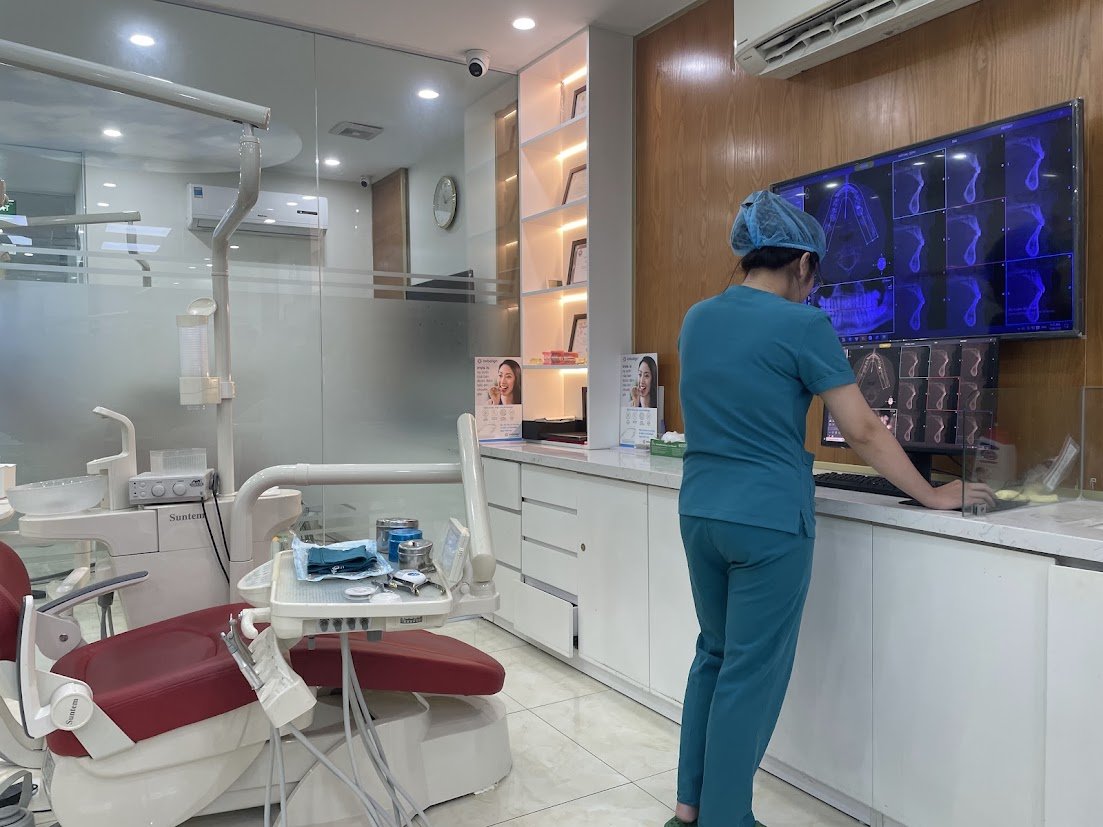
Dental Clinic in Hanoi
2. Look at the clinic's experience with your treatment
A modern clinic is reassuring, but what's more important is the clinic's experience with the type of treatment you're considering.
If you're looking at more complex treatment such as multiple implants, full-arch restorations or extensive restorative work, ask about the experience of the dental team carrying out that type of procedure.
You should also be able to get a clear explanation of why a particular treatment approach has been recommended and have your questions answered before you travel.
3. Ask about the materials and brands being used
If you're receiving implants, crowns or other restorative treatment, ask exactly what is being used.
For implants, this means knowing the implant system and manufacturer. For crowns or bridges, ask about the material and, where relevant, the manufacturer.
Price differences between treatment plans can sometimes reflect differences in materials as well as differences in the treatment itself.
Having this information properly recorded can also be useful years later if a dentist in New Zealand needs to understand what treatment you've had.
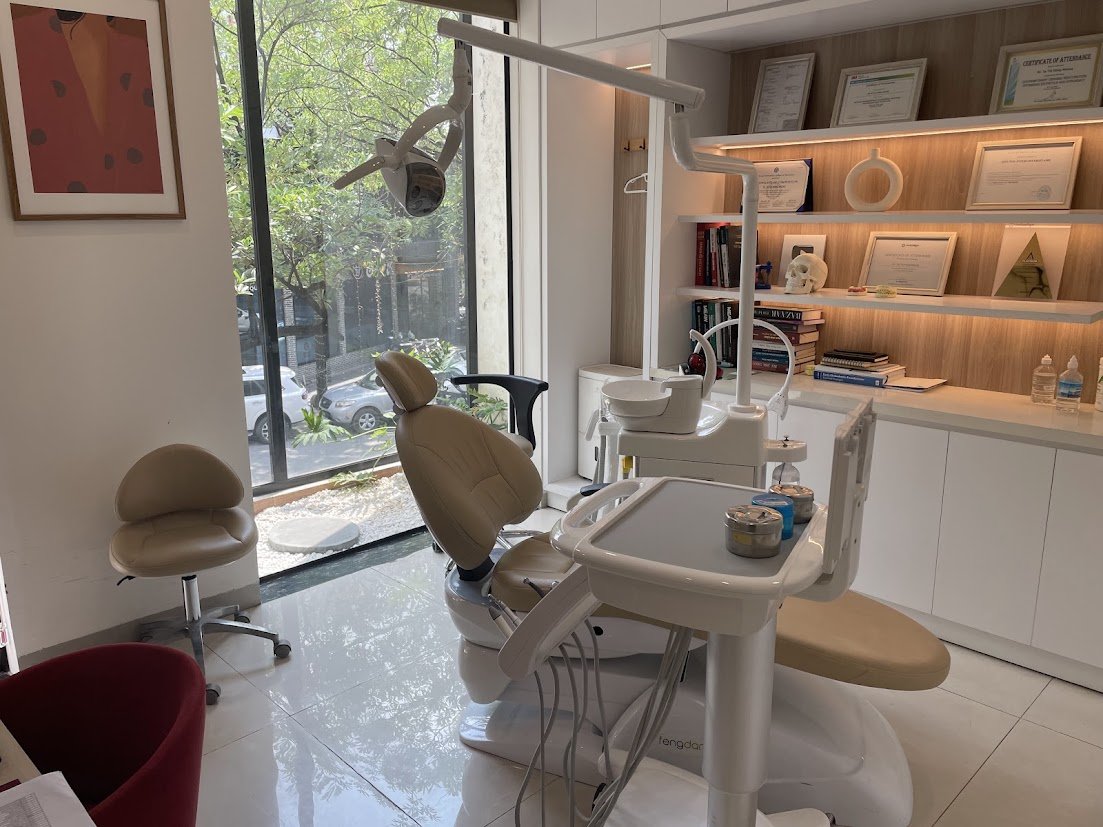
Modern Operating room
4. Understand how long the treatment actually takes
This is one of the most important questions to answer before booking flights.
Some dental treatment can be completed during a relatively short stay. Other procedures require several appointments spread across a week or more.
Implant treatment may involve a healing period of several months before the final restoration is fitted, meaning a second trip to Vietnam could be required.
Your preliminary plan should ideally tell you:
how long you should stay in Vietnam
approximately how many appointments are expected
whether there are waiting or healing periods between appointments
whether a second visit is likely to be required
It's much better to know this before you've booked the flights than discover you need another week in Hanoi afterwards.
5. Understand the warranty and what it actually means
Long warranties can sound reassuring, but the number of years isn't the only thing worth asking about.
Find out what the warranty covers, what conditions apply and what would happen if you experienced a problem after returning to New Zealand.
There is an obvious practical difference between having dental treatment close to home and having it performed thousands of kilometres away.
That doesn't mean overseas treatment is necessarily the wrong choice. It simply means the practical side of follow-up care should be considered before you travel, rather than afterwards.

Having a good relationship with your clinic is important.
6. Pay attention to communication before you travel
The experience you have with a clinic before arriving can tell you quite a lot.
Are your questions answered clearly? Does the treatment plan make sense? Are costs explained properly? Can the clinic explain which parts of the treatment are confirmed and which may change following an examination?
For an international patient, good communication isn't just convenient. You're potentially organising flights, accommodation and time away from work around the information you're being given.
If something doesn't make sense, ask. Dental terminology can be confusing enough without adding another country and a 9,000-kilometre flight into the equation.
7. Make sure you'll receive a dental passport and treatment records
This is particularly important when you're having dental treatment overseas and returning to New Zealand afterwards.
A dental passport is essentially a record of the important details of your treatment. Depending on the procedure, this may include the implant system and components used, crown or restorative materials, relevant identification or batch details where available, X-rays and warranty information.
It's also worth considering whether the implant system and materials being proposed are recognised and serviceable in New Zealand. If you need maintenance or further treatment years later, having a system that a New Zealand dentist can identify and source compatible components for can make things considerably easier.
Ask the clinic what documentation you'll receive before treatment begins, rather than trying to collect it after you've returned home.
Your future dentist will probably appreciate it too.
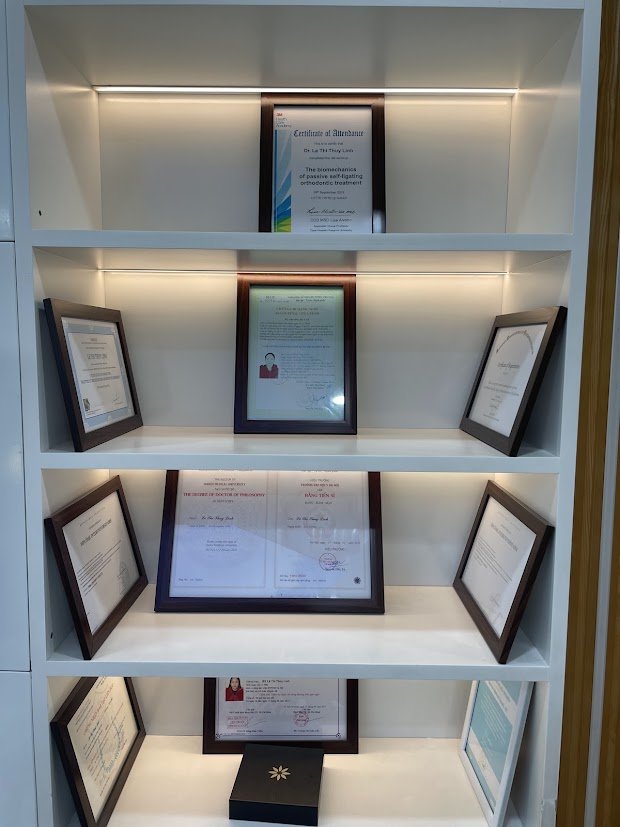
Checking clinic qualifications and experience
8. Don't choose a clinic purely because it's the cheapest
Cost is obviously one of the main reasons New Zealanders consider dental treatment overseas.
But the cheapest quote shouldn't automatically be the best option.
Compare the entire treatment proposal: the clinic's experience, treatment approach, materials, timeframe, warranty, inclusions and communication.
A slightly higher quote that gives you a clearer treatment plan or uses a different material or implant system may represent something quite different from the cheapest number on the page.
The aim isn't simply to find cheap dentistry.
It's to understand what you're paying for and make an informed decision about whether the clinic and treatment plan are right for you.
Why I started Hanoi Dental Concierge
When I first had dental treatment in Hanoi several years ago, I saw first-hand how significant the difference in cost could be.
But I've also learned that choosing treatment overseas involves more than finding a clinic online and comparing prices.
When I returned to Hanoi, I visited clinics in person, met dental teams and looked more closely at how they communicate with international patients, the materials they use and how treatment is planned.
That experience became part of the reason I started Hanoi Dental Concierge.
HDC helps New Zealanders explore dental treatment options in Hanoi, understand preliminary treatment plans and connect with selected clinics before deciding whether travelling for treatment is right for them.
HDC does not provide dental advice or make clinical decisions. Final treatment recommendations are made by the treating dental professionals following appropriate assessment.
The bottom line
Choosing a dental clinic in Vietnam shouldn't come down to the cheapest quote or the best-looking website.
Take the time to understand the clinic's experience, what treatment is being proposed, what materials will be used, how long the process is expected to take, what records you'll receive and what happens after you return home.
The more you understand before booking the flight, the fewer surprises you're likely to encounter once you arrive.